

Digital Learning Access
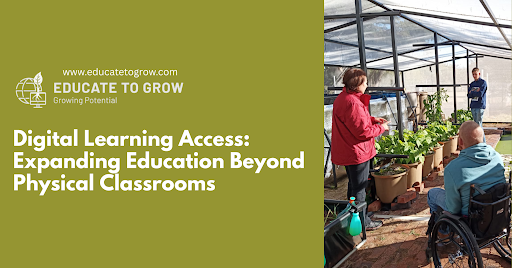
Education has undergone a remarkable transformation over the past two decades. Advances in technology have made it possible for learners to access knowledge, training and qualifications from almost anywhere in the world. As educational institutions, governments and development organisations seek new ways to reach underserved communities, Digital Learning Access has emerged as a powerful solution for expanding opportunities beyond traditional classrooms.
For many years, access to education was heavily influenced by geography, financial circumstances, infrastructure and personal commitments. Learners often needed to travel long distances, relocate or sacrifice employment opportunities to pursue further education. Today, digital technologies are helping to remove these barriers and create more inclusive learning environments that reach people wherever they are.
According to the United Nations Sustainable Development Goal 4 (Quality Education), ensuring inclusive and equitable quality education for all remains a global priority. Digital learning is increasingly recognised as a critical tool in achieving this objective.
Why Digital Learning Access Matters
The concept of Digital Learning Access focuses on ensuring that educational opportunities are available to everyone, regardless of location, background, age or socio-economic status. Technology allows learning materials, assessments, videos, interactive activities and support services to be delivered directly to learners through computers, tablets and smartphones.
This flexibility creates opportunities for people who may have previously been excluded from education. Working professionals can study while maintaining employment. Parents can learn about family responsibilities. Individuals living in rural areas can access programmes that would otherwise be unavailable locally.
The growth of online education also supports lifelong learning, enabling individuals to continuously develop new skills throughout their careers. As industries evolve and new technologies emerge, ongoing education becomes increasingly important for employability and economic resilience.
Breaking Down Geographical Barriers
One of the most significant advantages of digital learning is its ability to overcome geographical limitations. Historically, educational access depended heavily on proximity to schools, colleges, universities or training centres. For many learners, particularly those in remote regions, these opportunities were simply out of reach.
Through online learning platforms, educational content can now be delivered directly to learners regardless of where they live. This has created new possibilities for communities that have traditionally faced challenges in accessing quality education.
The importance of technology-enabled learning has been highlighted by organisations such as the UNESCO Digital Education Programme, which promotes the use of digital technologies to improve learning outcomes and expand educational opportunities worldwide.
By supporting Digital Learning Access, educational providers can extend their reach far beyond physical campuses and create pathways for learners who may never have had access to formal education opportunities.
Supporting Lifelong Learning and Skills Development
The modern economy requires continuous learning. Technological advancement, changing job markets and evolving workplace demands mean that individuals must regularly update their knowledge and skills.
Traditional classroom-based education often presents challenges for adults who have professional or family responsibilities. Digital learning provides an alternative approach that allows learners to study at times and locations that suit their circumstances.
Flexible learning models encourage continuous professional development and support career progression. They also make specialised training more accessible, helping individuals gain industry-relevant skills without disrupting their existing commitments.
The OECD Future of Education and Skills Programme emphasises the importance of preparing learners for a rapidly changing world where adaptability and lifelong learning are essential.
Creating More Inclusive Learning Opportunities
Effective education should accommodate the diverse needs of learners. Digital platforms offer numerous tools that support accessibility and inclusion, making education available to a broader audience.
Features such as recorded lectures, captions, screen-reader compatibility, adjustable text sizes, multilingual content, and flexible assessment methods can significantly improve the learning experience. These tools help ensure that learners with different needs and preferences can engage meaningfully with educational content.
Digital Learning Access also helps create opportunities for individuals who may face mobility challenges, health constraints or other circumstances that make attendance at a physical classroom difficult.
When designed thoughtfully, digital learning can contribute to more equitable educational systems that provide opportunities for all learners to succeed.
Technology and Educational Equity
While technology offers enormous potential, successful implementation requires more than simply providing online content. Educational institutions must also consider issues such as connectivity, digital literacy, device availability and learner support.
The World Bank Education Overview highlights the importance of ensuring that technological innovations contribute to equitable learning outcomes rather than creating new forms of exclusion.
To maximise the benefits of Digital Learning Access, providers are increasingly investing in mobile-friendly platforms, low-bandwidth learning solutions, downloadable resources and blended learning models that combine online education with practical experiences.
These approaches help ensure that education remains both accessible and effective, particularly in areas where connectivity may be limited.
Building Stronger Communities Through Education
The benefits of digital learning extend beyond individual learners. Communities with greater access to education are better equipped to support economic growth, innovation, entrepreneurship and social development.
Education empowers individuals to participate more actively in society, make informed decisions and pursue opportunities that improve their quality of life. As digital technologies continue to evolve, they will play an increasingly important role in expanding educational opportunities across diverse communities.
The focus on Digital Learning Access is therefore not simply about technology. It is about creating pathways to knowledge, opportunity, and empowerment for people who may otherwise be left behind.
Conclusion
As the world continues to embrace digital transformation, education must evolve to ensure that learning opportunities remain accessible, flexible and inclusive. Digital learning is helping to remove barriers, connect learners to valuable knowledge and create new opportunities for personal and professional development.
At Educate To Grow NPC, we believe that education should not be limited by geography, infrastructure or circumstance. Through initiatives that support accessible learning, skills development, and educational inclusion, we are committed to helping more individuals access the opportunities they need to grow, succeed and contribute meaningfully to their communities. Learn more about our work by visiting www.educatetogrow.com.