

Youth Education Opportunities
Young people represent the future of every economy, community and industry. Yet millions of youth across the world continue to face barriers to quality education, practical training and meaningful employment. Expanding Youth Education Opportunities is one of the most effective ways to reduce unemployment, strengthen economies and create sustainable long-term growth.
Investment in education is no longer only about academic success. Modern education must equip young people with practical skills, digital literacy, problem-solving abilities and entrepreneurial thinking that align with real-world opportunities. As industries evolve rapidly due to technology, sustainability demands and changing labour markets, education systems must adapt to ensure youth are prepared for future careers.
According to UNESCO’s Education Programme, inclusive and accessible education is essential for reducing poverty and promoting social mobility. Quality learning opportunities help young people gain the confidence, knowledge and practical experience needed to participate meaningfully in the economy and society.
The importance of education is also recognised globally through the United Nations Sustainable Development Goal 4: Quality Education, which aims to ensure inclusive and equitable quality education and promote lifelong learning opportunities for all.
Why Youth Education Opportunities Matter
Expanding Youth Education Opportunities has benefits that extend far beyond individual learners. Education contributes directly to economic growth, social stability, innovation and community development. Countries with stronger education systems generally experience higher employment levels, improved health outcomes and greater resilience during economic uncertainty.
The challenge is that many traditional education systems are struggling to keep pace with modern industry requirements. Employers increasingly seek workers with technical skills, digital competence, communication abilities and workplace readiness. This has created growing demand for vocational education, blended learning, online training and work-integrated learning models.
The World Bank Education Sector highlights that investment in education and skills development is one of the most powerful tools available to improve productivity and reduce inequality. Education creates pathways to opportunity while helping young people become active contributors to their communities.
The Role of Digital and Online Learning
Technology has transformed how education can be delivered. Online learning opportunities now allow students in rural and underserved communities to access training that was previously unavailable. Mobile devices, virtual classrooms and digital learning platforms continue to break down geographic and financial barriers to education.
Digital learning also supports flexibility. Young people can study while working, caring for family members, or managing other responsibilities. This flexibility is especially important in regions where access to traditional campus-based education may be limited.
The UNICEF Education Programme continues to emphasise the importance of digital inclusion in ensuring equal access to quality education for all youth. Expanding internet access and digital skills training remains critical to building inclusive learning environments.
Skills Development for Future Careers
Modern economies require more than theoretical knowledge. Skills development programmes that combine practical learning with industry relevance are becoming increasingly valuable. Sectors such as agriculture, renewable energy, technology, healthcare, logistics and sustainability are expected to create significant employment opportunities in the future.
Vocational education and technical training are particularly important because they prepare students for practical workplace environments. These programmes often focus on real-world problem solving, technical competence, entrepreneurship and hands-on learning experiences.
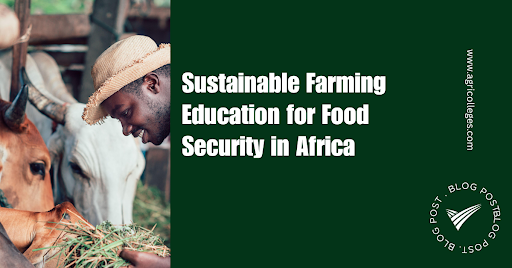
For example, the Food and Agriculture Organization of the United Nations continues to advocate for greater youth participation in agriculture and agribusiness. Modern agriculture increasingly relies on technology, sustainability practices, water management, business planning and data analysis. Young people equipped with these skills can contribute to food security while building successful careers and businesses.
Strong Youth Education Opportunities also support entrepreneurship. Many young people may eventually create their own businesses rather than enter formal employment. Education that includes financial literacy, digital skills, marketing, and business management can help youth become job creators rather than only job seekers.
Education as a Tool for Social Development
The impact of education extends beyond economics. Education improves confidence, leadership, communication and social inclusion. Communities with greater access to quality education often experience lower crime rates, improved health awareness and stronger civic participation.
Education also plays a major role in empowering women and marginalised communities. Increasing access to youth empowerment education helps create more equal opportunities and supports long-term community development.
Importantly, education helps young people develop resilience and adaptability. As global industries continue to evolve, the ability to learn continuously and adapt to changing circumstances will remain essential. Lifelong learning is becoming increasingly important in a rapidly changing world.
Building Partnerships for Sustainable Impact
Creating meaningful Youth Education Opportunities requires collaboration between governments, educational institutions, businesses, community organisations and development partners. Industry partnerships help ensure that training programmes remain relevant to labour market needs while creating pathways into employment through internships, mentorships and workplace exposure.
Public-private partnerships can also expand access to funding, digital infrastructure and training resources. Investment in youth education should be viewed as a long-term strategy for economic sustainability rather than a short-term expense.
Investing in the Future Through Education
The future of any nation depends heavily on how effectively it invests in its young people today. Expanding Youth Education Opportunities creates lasting benefits for individuals, industries and communities. By supporting access to relevant, practical and inclusive education, societies can help young people unlock their potential and contribute meaningfully to economic and social development.
Organisations such as Educate To Grow NPC continue working to expand access to education and skills development initiatives that empower youth and create pathways to opportunity. Learn more at https://www.educatetogrow.com.